
Planning a luxury yacht charter is exciting. But timing your booking is just as important as choosing your destination. Many people ask how far in advance they should book their luxury yacht charter yachts. Our answer depends on where you're going, when you're travelling, and what kind of yacht you want. Some yachts book up a year in advance, while others stay available until the last minute. However, if you want the best experience, it’s a good idea to start booking early. This guide breaks down the ideal timeline and explains why early booking matters. If you’re dreaming of cruising the Mediterranean or relaxing in the Caribbean, here's how to get the timing right.
Why Timing Your Yacht Charter Matters
Booking early gives you many more options than if you wait until the last second. If you're hoping to charter during peak season, like Christmas or New Year's in the Caribbean, or July and August in the Mediterranean, most brokers suggest booking six to ten months in advance. That gives you access to the top yachts and the most experienced crews. Some of the most popular boats book out a full year before they leave the dock.
For trips outside of the busy season, like spring or fall, three to six months’ notice is usually enough. These shoulder months can offer better weather, fewer crowds, and even lower costs. But no matter when you plan to go, it’s smart to contact a broker as soon as you start thinking about your trip. Yacht availability changes fast, and the best options often disappear early.
Your destination is another factor to keep top of mind. If you're heading to a hot spot like the Amalfi Coast or the British Virgin Islands during a big event or holiday, yachts will fill up quickly. Regattas, festivals, and even local holidays can tighten availability. Working with a broker will help you avoid conflicts and pick a timeline that suits your vacation.
What About Last-Minute Bookings for Luxury Yacht Charter Yachts?
While booking early is best, some people do wait until the last minute. This can still work out, but it’s a gamble. If you're flexible about the yacht, destination, and timing, you may still find a good option. But you’ll likely have fewer choices. The most in-demand yachts are already gone, and you may need to compromise on crew experience, amenities, or even location.
There’s also less time to sort out the details. A charter trip involves more than just picking a boat. You’ll need to sign contracts, pay deposits, and plan your itinerary. Rushing through those steps can lead to mistakes or missed expectations. Some destinations require paperwork or travel permits, which also take time to process.
That said, last-minute deals sometimes pop up. A yacht may have a cancellation or an open week they want to fill quickly. If your schedule is open and you're working with a helpful broker, you might score a great trip. Just don’t rely on it if you're planning a milestone event or travelling during high season. Last-minute charters are risky, and they’re not ideal if you want a tailored experience.
How do you Book a Yacht Charter?
Once you’re ready to book, your charter broker will guide you through the process. It starts with picking a yacht. This includes reviewing options based on size, style, amenities, and crew. If you need help with this, check out our April blog about choosing the right yacht.
Next, your broker will share the total charter cost. This includes the base rate and other fees, like fuel, food, and dockage. For a full breakdown of costs, you can read our May post on understanding charter pricing.
When you’re happy with the choice, you’ll sign a charter agreement. This contract outlines your travel dates, the yacht’s details, payment terms, and cancellation policy. Most charters require a deposit of 50 percent up front, with the rest due one month before your trip.
From there, your broker will help you plan your itinerary and meals, working closely with the captain and crew. You'll discuss where you want to go, what you want to see, and how you want to spend your time onboard. If you're wondering how to plan the perfect cruise route, take a look at our June article on itinerary planning.
Throughout the process, you’ll want to stay in close communication with your broker. They’ll handle the details and answer your questions along the way. Whether you’re new to yacht charters or a returning guest, their job is to make your experience as smooth and stress-free as possible.
Contact us Today to Book Your Charter!
Booking a yacht charter is all about planning ahead. If you're eyeing a trip during Christmas, New Year’s, or the busy summer months in the Med, reach out to a broker six to ten months early. If you’re going in the spring or fall, three to six months is usually fine. And if you’re the spontaneous type, just know that last-minute bookings come with trade-offs.
Contact us today to start the process of booking luxury yacht charter yachts or to learn more about the process. We look forward to helping you plan your excursion!
FAQs About the Timeline for Booking Luxury Yacht Charter Yachts
1. Can I book a luxury yacht a year in advance?
Yes. Some of the most popular yachts get booked a full year before departure, especially for peak season charters, like Christmas and New Year’s.
2. Is it cheaper to book last minute?
Sometimes. But it’s rare. Most charter prices are set, and while cancellations can open up deals, choices will be limited.
3. What’s the risk of booking late?
The main risk is losing access to your preferred yacht, crew, or travel dates. Planning details may also feel rushed.
4. How do I know which season is peak for my destination?
Ask your charter broker. In general, July and August are peak in the Med. December and early January are peak in the Caribbean. For other destinations, inquire with your broker.
5. Do I need to pay the full amount when I book?
Typically, you’ll pay a 50 percent deposit at the time of booking.
How Far in Advance Should You Book Luxury Yacht Charter Yachts?
There’s no wrong way to enjoy a luxury charter yacht, but there are definitely smarter ways to plan your itinerary. Whether you're chasing sun-soaked beaches, quiet anchorages, or unforgettable meals in coastal towns, the key is to plan with purpose. The best trips strike the right balance between structure and spontaneity. By designing a trip that reflects your style, you’ll be more likely to enjoy every moment.
This guide isn’t about micromanaging every hour of your trip, but rather understanding what matters to you, your guests, and your overall experience. Below, we go over everything you need to know to make your itinerary enjoyable.
Start by Understanding Your Occasion for a Luxury Yacht Charter

Before you start planning, take a second to think about the occasion for chartering a yacht. Is this trip to unwind after a busy time? Is it a celebration? A romantic getaway? Or maybe you want to show clients a good time. Knowing your occasion will help you decide the details later on.
If relaxation is the goal, keep your plans laid back. Schedule swim stops, beach bar destinations, and give yourself plenty of downtime to hang out on deck. In this case, your itinerary should have fewer stops, shorter cruising days, and more time spent at anchor.
If it’s an adventure you’re after, the itinerary will look a lot different. It’ll entail earlier starts, longer distances, and lots of water toys. If you’re into hiking, paddle sports, and island hopping, we can certainly plan to accomplish them all. However, even with an adventurous itinerary, it’s still important to block off “rest days” so that you and your guests can relax and take in the scenery now and then.
For those celebrating a milestone, you’ll want to build around the highlight. For example, scheduling a birthday dinner onshore or an anniversary toast at sunset. Perhaps, a secluded beach picnic with staff on hand. Whatever your desire, we’ll find the best spots and coordinate with your crew. The more details we know ahead of time, the more we can help make those moments count.
The point is, there’s no one-size-fits-all itinerary. The best plans are built around your central goal for the trip. Once we know your purpose, we can help shape the route to match. That way, every stop feels just right.
Choose Your Region and Know the Season
One of the most exciting parts of planning your excursion is deciding where to go. Will it be tropical waters? Classic Med? Somewhere cooler and more remote? Each region is different, and knowing the timing helps us avoid the crowds and make the most of the experience.
If you’re heading somewhere warm like the Caribbean, the South Pacific, or the Greek Islands, you’ve got countless options. But don’t get caught up in ticking every destination off the map. It’s better to enjoy a handful of great stops than rush through ten.
For those who prefer something quieter or off the beaten path, we recommend visiting Norway’s fjords or New Zealand’s coastlines. They offer stunning views with far fewer boats. Just be ready for chillier weather and more variable conditions. In these places, flexibility in your itinerary is important.
As for the season, summer in the Med is lovely, but July and August get busy. Shoulder seasons (May-June or September-October) often give you better weather, fewer crowds, and more space to explore. Same goes for the Caribbean, so you’ll want to aim for early winter before the holiday crunch or late spring as things slow down.
If all of this feels totally overwhelming, don’t worry! We know these regions inside and out. Our team will recommend routes and stops you won’t find in a guidebook. Just tell us your preferences, like scenery, cuisine, and activities, and we’ll match you with the right area and the right season.
Leave Some Wiggle Room

Once you’ve chosen your destination and clarified your goals, it’s time to rough out the trip. But keep it rough. The best itineraries are there to guide you, not lock you in! We always recommend a mix of active days and downtime. You’ll want one or two days with light cruising and no set agenda. These days can be spent lingering over breakfast, going for a swim, snorkelling, or taking the tender ashore.
Flexibility also means being open to surprises. Maybe you find a beach club you love and want to stay an extra night. Or, you’ve stumbled upon a pod of dolphins mid-cruise. Perhaps, you’re just too relaxed to move. The beauty of chartering is being able to adapt to on-the-fly changes!
A solid plan gives you structure, but a flexible plan gives you freedom. Finding a balance between the two is how you make the most of your time aboard.
Let’s Plan Your Luxury Charter Yacht Itinerary!
Planning the perfect itinerary starts with why you’re going. Then it’s just a matter of choosing the right place at the right time, mapping out some must-do stops, and leaning on your crew and broker for advice. If you’re ready to start planning your itinerary, contact us today. We’ve helped several guests build practical, but fun, itineraries from the Med to the Maldives. Get ready to set sail with Infinity Yacht!
Planning the Perfect Itinerary for Your Luxury Charter Yacht
If you're thinking about booking a mega yacht charter, you might be curious to understand what you're paying for. Chartering a yacht is often more expensive than the sticker price. There are a lot of moving parts, and knowing where the costs come from helps you plan better and enjoy your trip more. Whether you're planning a family getaway, a corporate retreat, or a once-in-a-lifetime celebration, it pays to understand the full picture. In this article, we’ll take a general look at how pricing works, what extras to expect, and why some yachts cost more than others.
What is and isn’t Included in the Charter Price

If you’ve never been on a yacht before, you might assume that the price listed for a mega yacht charter covers everything. But, it usually doesn’t unless the charter is advertised as all-inclusive. More often, the number you see for the cost of the yacht is just the starting point. What it does include is the yacht itself, fully crewed and ready to go. You're paying for the captain, the crew, and the use of the yacht’s onboard equipment and amenities, like jet skis, tenders, and snorkelling gear. That alone is a big part of the cost, especially when the crew is highly-rated.
But beyond that, there are extras you need to plan for. Fuel is one of the biggest costs. Some yachts burn a lot of it, especially if you're moving from island to island or covering large distances. Even just running the generators at anchor costs money. The more you cruise, the more you'll pay in fuel.
Food and drinks are another variable cost. On most charters, you'll send in your preferences ahead of time. For instance, if you want vintage champagne and sushi from your favourite coastal restaurant, it can be arranged, but there will be additional costs associated.
Then there are docking and mooring fees. If you’re stopping at high-end marinas in places like St. Tropez or the Amalfi Coast, expect to pay premium prices. These are charged per night and depend on yacht size and location.
A lot of charters use what's called an APA (Advanced Provisioning Allowance). This is typically 25-35% of the base rate. It covers your running expenses, including food, fuel, dockage, and incidentals. The captain keeps a detailed account and returns any unused funds at the end. But the bottom line is that your base rate is only part of the cost.
Other Costs Associated with a Mega Yacht Charter
Beyond the APA, there are also taxes depending on where you charter. Some regions charge VAT or local taxes on top of the base fee. For example, chartering in the Mediterranean often comes with a 10-20% tax. In the Caribbean, it might be lower. Your broker will walk you through this, but it’s worth asking about early on.
Gratuities are another cost that sometimes catches new charterers off guard. These aren’t mandatory, but they are standard in the industry. Most guests tip the crew around 10-20% of the base charter fee. Remember, these crews work incredibly hard. They’re on call 24/7 while you're onboard. A good crew makes or breaks your trip, so tipping well is always appreciated.
Then there's insurance. Most charter companies have insurance on the yacht, but you might want your own travel insurance. This can cover trip delays, cancellations, or medical needs. It's worth considering, especially for longer trips or exotic destinations!
Also consider the cost of getting to and from the yacht. Private jet transfers, helicopter rides, and luxury car rentals- these can all add up, especially in remote destinations. And, don’t forget pre- and post-charter hotel stays if your schedule needs flexibility.
Lastly, there’s onboard spending. While many things are included, you may want to splurge on things like spa services, fine wines, special excursions, or a private dive guide. These aren’t must-haves, but they’re common on higher-end trips.
Price Differences Per Yacht

Not all yachts cost the same. There are a few big things that affect pricing. For instance, the type of yacht, the time of year, and the destination. In terms of yacht type, a brand-new 200-foot mega yacht with a full gym, cinema room, and beach club is going to cost a lot more than a slightly older model that’s shorter in size. Bigger yachts need more crew, use more fuel, and offer more luxury. That equates to a higher dollar value.
Next is the season. Like any travel industry, chartering has peak times. In the Mediterranean, summer is peak. In the Caribbean, it's winter. If you want to charter during those busy months, expect to pay more. If you’re flexible, consider shoulder seasons. The weather is still great, but pricing might be a bit softer.
Location matters as well. Chartering in the Bahamas, Greece, or French Polynesia all come with different costs. Local taxes, marina fees, and provisioning costs vary widely. Plus, some areas are more remote, meaning it costs more to get the yacht and crew there. You might also pay more for a yacht that has a standout chef, a top-notch crew, or recent upgrades. It's worth it if service and comfort are your priorities.
Book Your Mega Yacht Charter, Now!
Booking a mega yacht charter should be exciting, not overwhelming. Talk to a good broker, like us at Infinity Yacht. We’ll help match you with the right yacht, crew, and destination. Chartering a mega yacht is one of the best experiences out there. It’s private, personalized, and unforgettable. Be sure to check out our social media for past excursions and information! Contact us to book your charter.
Frequently Asked Questions About Mega Yacht Charters
What does the base price of a mega yacht charter include?
The base price typically includes the yacht itself, a full crew, and access to onboard amenities like water toys and entertainment systems. It does not usually include fuel, food, dockage fees, or taxes unless specifically advertised as all-inclusive.
What is an APA (Advanced Provisioning Allowance)?
APA is an upfront allowance—typically 25–35% of the base charter fee—used to cover operating expenses such as fuel, food, beverages, dockage, and other incidentals. The captain manages these funds and provides an itemized breakdown, refunding any unused amount at the end of the trip.
Are food and drinks included in the charter price?
On most charters, food and drinks are not included in the base price. Instead, guests provide preference sheets, and provisions are sourced accordingly. High-end items like premium wines, gourmet meals, or specialty requests may incur extra charges.
Are gratuities required on yacht charters?
Gratuities aren’t mandatory but are customary and greatly appreciated. It's standard to tip 10–20% of the base charter fee, based on the quality of service provided by the crew during your trip.
Do I need insurance for a yacht charter?
The yacht is typically insured by the owner or charter company, but guests are encouraged to purchase travel insurance. This can cover cancellations, medical emergencies, and trip interruptions.
What are the hidden or additional costs to consider?
Additional costs can include:
- Fuel consumption
- Food and beverage provisioning
- Docking and mooring fees
- Local taxes or VAT
- Gratuities
- Travel to/from the yacht (e.g., flights, private transfers)
- Optional luxury services or excursions
Why do yacht charter prices vary so much?
Prices vary based on the size, age, and luxury level of the yacht, as well as the crew experience, destination, and season. Chartering during peak times or in exclusive locations typically comes at a higher price.
When is the best time to charter a yacht?
It depends on the region:
- Mediterranean: Peak season is summer (June–August)
- Caribbean: Peak season is winter (December–April)
For better pricing and availability, consider shoulder seasons when the weather is still favourable but demand is lower.
How can I reduce the cost of a mega yacht charter?
To save money, consider:
- Booking during shoulder season
- Choosing a slightly older or smaller yacht
- Reducing your cruising distance to save on fuel
- Selecting a less expensive destination with lower taxes and fees
How do I start the booking process?
Start by contacting a reputable broker like Infinity Yacht. A good broker helps you choose the right yacht, plan your itinerary, understand costs, and coordinate logistics to ensure a smooth and unforgettable experience.
General Overview of the Costs of a Mega Yacht Charter
Most yacht cruises start with a question of what vessel to choose. Pick right, and the voyage flows smoothly. Pick wrong, and even sunny skies can feel rough. We’ve helped thousands find their floating match, whether it be for an anniversary or a business getaway. In the post below, we’ll go over a simple way to pick a yacht without stress. We will talk size, style, and those must‑have extras that keep everyone on board smiling. You’ll see how different boats suit families, couples, or big reunion crews.
Follow along below to learn more about selecting the perfect yacht for your cruise!
Size Matters on Your Yacht Cruise
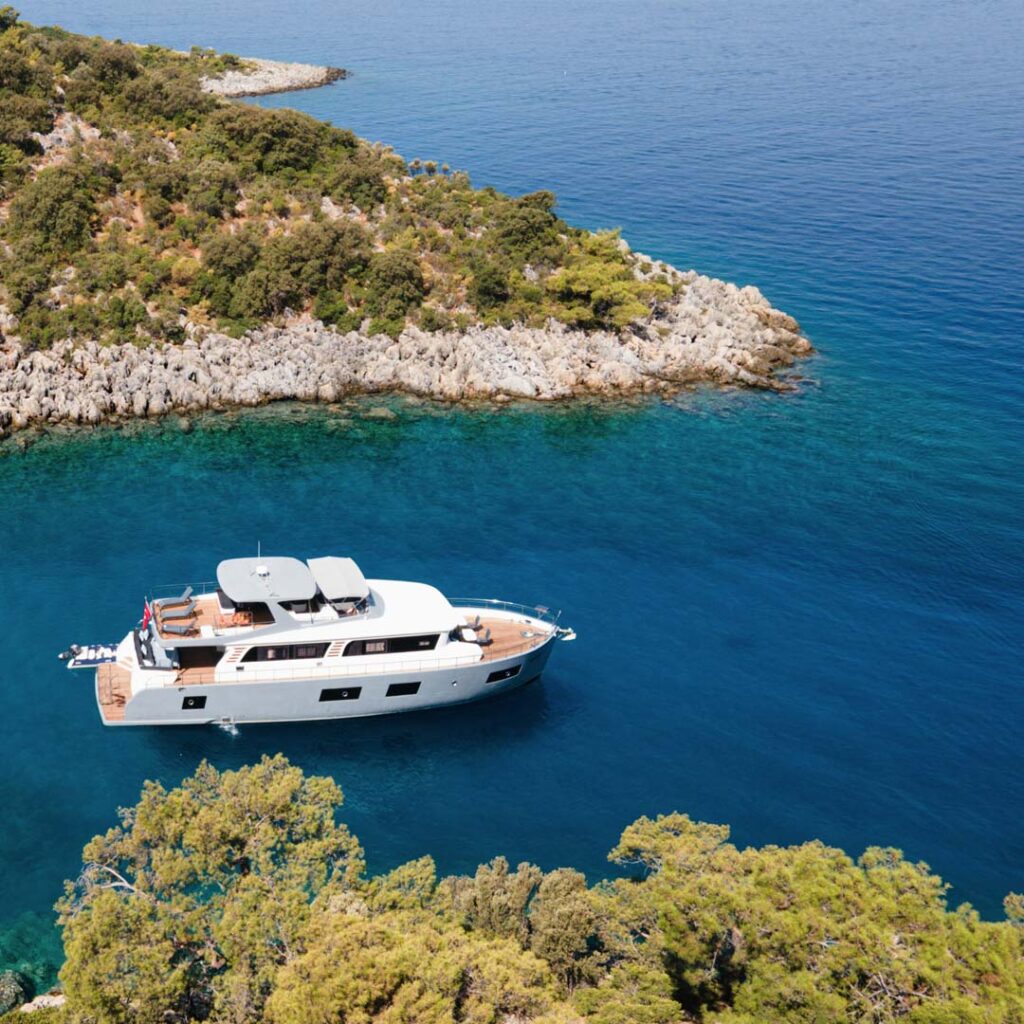
Before you decide on any of the details, make sure you do a head count and picture how your crew will spread through the boat all day. A forty-five-foot sailing monohull can charm two adults and maybe one kiddo. Cram eight people inside and privacy sinks fast. Larger families or groups often relax more on a fifty-five-foot catamaran. Cats carry broad decks and twin hulls. That means extra cabins plus a stable ride that calms new sailors. Motor yachts jump a notch higher. At sixty feet or more, they offer multi‑level salons, tender garages, and air‑conditioned staterooms that feel a bit more like a cruise ship. Fuel costs rise for motor yachts, but so does comfort.
Destinations affect the size you choose as well. Tight harbours in the Cyclades can block beamier cats. Skinny waterways in Croatia might suit a sleek monohull better. In the Grenadines, you will anchor off open beaches, so having extra length means more storage for paddle boards and fishing gear. You’ll also want to think about sea state as well. Trade‑wind chop barely nudges a wide cat. On the other hand, long Pacific swells will roll a narrow boat from dawn till dusk. Finding a hull that suits the expected weather, destination, and crew size is important in planning a comfortable cruise.
Budget is also something to consider as you look towards booking your vacation. Charter rates scale with length, number of cabins, and amenities. Bigger yachts mean higher crew costs and more fuel, but they also translate to more cabins and extra amenities. Though, as we already mentioned, it’s important to think about where you’ll be travelling and with how many people. Bigger isn’t always better when yachting!
Pick the Right Type for the Right People

Motor yachts win over crowds with sheer ease. Push a throttle, glide at twenty knots, and reach the next cove before lunch. They hold big fuel tanks and generators for nonstop air‑conditioning. Couples who crave resort comfort love this style. So do mixed‑age families. Grandparents can stroll level decks, while teens stream movies in the gaming lounge. The trade‑off for this kind of comfort is fuel burn and dockage fees. Your trip will need to be planned around stopping at marinas that can pump diesel and accommodate the large vessel size.
Catamarans split the difference. They sail or motor at eight knots and are more economical on fuel. With dual hulls, the decks sit flat, keeping wine glasses upright and kids safe. Cats carry forward nets where you can nap over clear water and spot wildlife. They also anchor in shallow bays that bigger motor yachts avoid. For most first‑time clients, a catamaran gives the best balance between price, room, and stability.
Sailing monohulls are perfect for a classic yachting adventure. They heel, slice waves, and are near silent when engines turn off. Monos are best for smaller groups or couples, though larger groups can still fit if everyone enjoys teamwork. Remember that storage is tighter, so pack soft suitcases for easier organization. Water tanks are smaller as well, meaning you may need to sacrifice your 20-minute shower for a 5-minute one.
Contact us Today
A luxury yacht charter is the perfect way to vacation in style. With hundreds of global destinations, Infinity Yacht is the perfect broker to organize your yacht cruise. If you’re still struggling with what vessel to pick for your next excursion, contact us today! We’d be happy to help you find the perfect yacht for your crew size and location. Be sure to visit our social media for more information about the hulls we have and the destinations they’ve sailed to. We look forward to helping you plan your charter!
How to Choose the Best Vessel For Your Yacht Cruise?
If you’re an eco-conscious traveler, you may wonder how to make your superyacht charter more environmentally friendly. With more people looking to make a positive impact on the world’s environment, it comes as no surprise that greener traveling methods are surfacing across all vacation types. Whether you’re completing a humble backpacking trip or a luxury yacht charter, there are strategies to safeguard the environment.
Yachting companies like us are aware of our impact on the planet. As such, we make it a priority to try our best to reduce environmental harm. One of the ways we do this is by educating our vacationers on how to be eco-conscious during their travels on the water. In this article, we will go over some of our tips on how you can ensure that your yacht charter experience leaves minimal impact on the planet. Discover our most tried and tested methods, below!
Steps to Take During Your Superyacht Charter for Reduced Ecological Impact
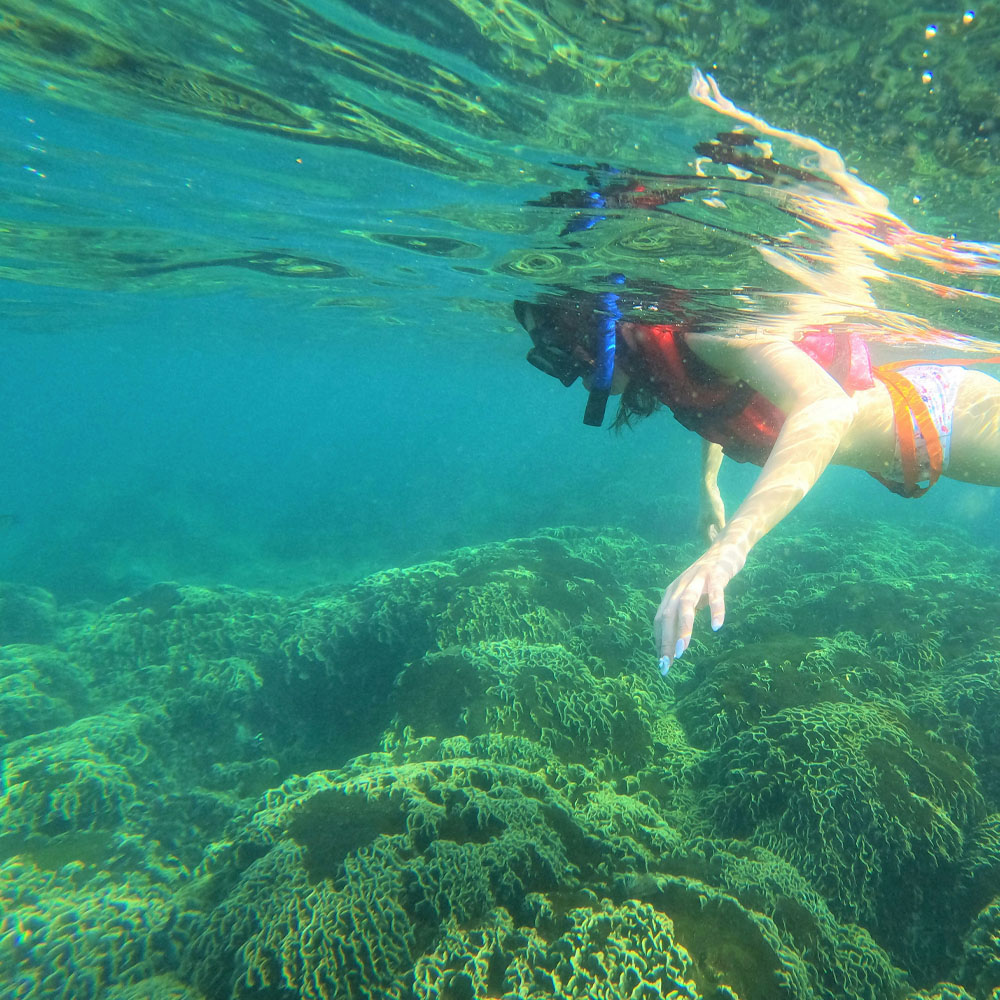
To start, consider offsetting your journey's carbon footprint. While traveling by superyacht undeniably has a higher environmental impact, many carbon offset programs allow you to counterbalance this. These programs invest in projects such as reforestation, renewable energy, and marine conservation efforts, ensuring that your travels contribute to sustainable practices worldwide. Speak with your charter company about options for calculating and offsetting emissions from your trip.
When planning your onboard activities, prioritize those that minimize environmental disturbance. Snorkeling, kayaking, and paddleboarding are great ways to explore the ocean while leaving its ecosystems undisturbed. If you’re interested in interacting with marine life, do so responsibly by keeping a respectful distance and following guidelines to avoid disrupting their natural behaviours. For those who want to use motorized toys, be conscious of how they might affect the surrounding wildlife and respect the habitats you are exploring. You may also consider opting to windsurf or use an electric hydrofoil for a more environmentally conscious alternative to toys like jet skis.
Being mindful of waste is another critical component of sustainable yachting. Ensure that no litter, including single-use plastics, is left behind or thrown overboard. Invest in reusable alternatives, such as water bottles, cutlery, and food storage containers, to drastically reduce the amount of waste generated during your trip. Proper disposal of trash at ports and recycling when possible are also essential practices. Moreover, adopting the mindset of leaving no trace will ensure that you make it a priority to leave the environment looking better or the same as when you arrived.
What Else Can You Do?
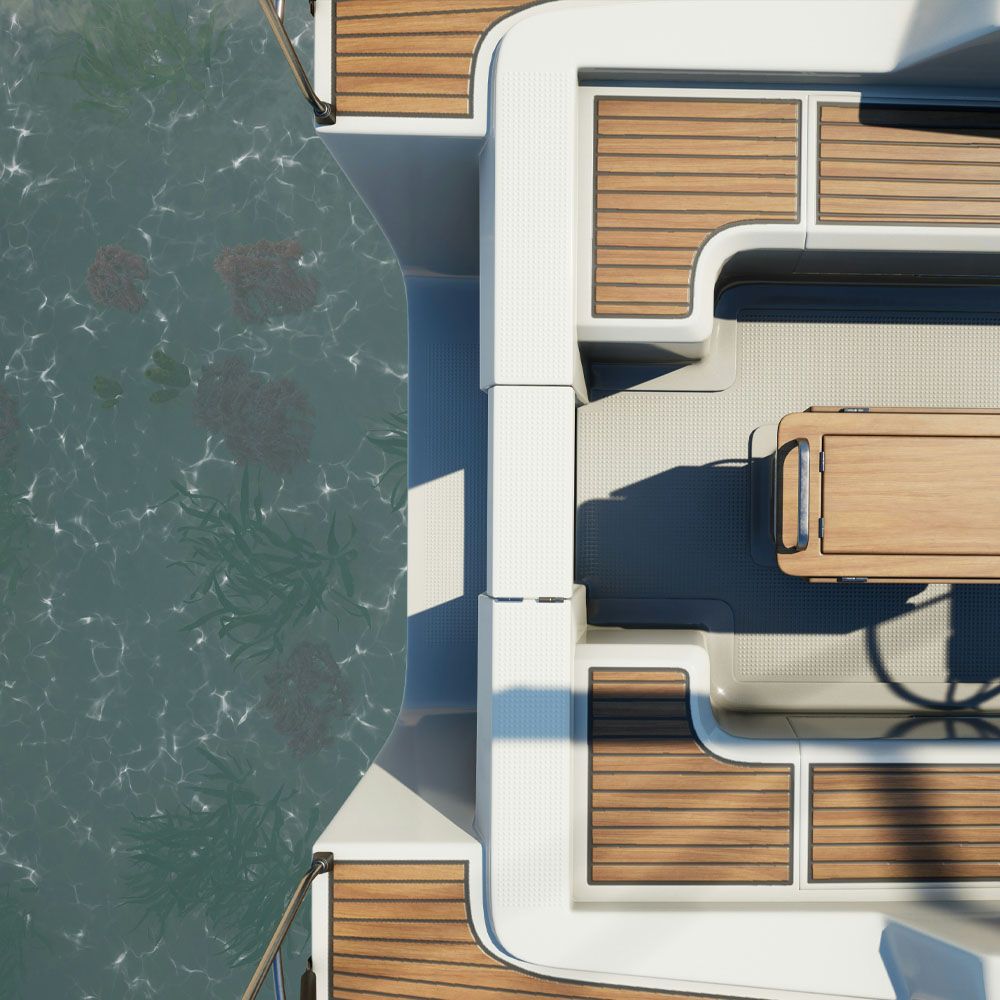
The products you bring onboard can play a significant role in environmental preservation. Many traditional sunscreens and cleaning products contain chemicals that harm marine life, especially coral reefs. Opt for reef-safe sunscreen and biodegradable cleaning solutions to ensure that your trip doesn’t inadvertently contribute to ocean pollution. Similarly, using eco-friendly toiletries can make a meaningful difference when wastewater is released into the sea.
Conserving resources on the yacht itself is another way to reduce your impact. Be mindful of your energy consumption by turning off lights and air conditioning in unused spaces and limiting water usage when possible. Many yachts are equipped with advanced filtration systems, so you can refill reusable bottles with filtered water rather than relying on plastic bottles. These small habits practiced consistently, can significantly lower your environmental footprint.
When you dock at coastal destinations, you have a unique opportunity to support local communities and contribute to sustainable tourism. Dining at restaurants that prioritize locally sourced ingredients, purchasing handmade goods from local artisans, and participating in cultural experiences that benefit the local economy are ways to ensure your visit has a positive impact. By doing so, you help preserve the unique character of the destinations you visit while fostering long-term sustainability.
Lastly, take the chance to contribute directly to marine conservation. Some charter companies and destinations offer organized clean-up efforts, allowing you to collect waste from beaches or ocean areas. These activities not only leave the environment in a better state than you found it but also provide a meaningful connection to the ecosystems you enjoy.
Contact us Today to Organize Your Superyacht Charter!
Sustainability in yachting doesn’t mean sacrificing luxury or adventure. By offsetting your carbon footprint and adopting responsible practices onboard you can enjoy your vacation while respecting the oceans. Start planning your yacht adventure today and begin the vacation of a lifetime through the open ocean. Be sure to check out our social media for posts about past charter vacations and yacht highlights! Don’t hesitate to reach out with any questions you may have about chartering one of our yachts.
How to Make Your Superyacht Charter Vacation Sustainable
As you prepare for your vacation on a yacht charter rental, you may be curious about proper etiquette on board the vessel. While a yacht charter is all about exploration and freedom, there are a few ground rules that guests should be aware of. These guidelines are in place to help make your stay more enjoyable. So, whether you are a guest of the person chartering the yacht or the charterer themselves, knowing how to conduct yourself is essential to your stay. By sticking to these guidelines you’ll ensure a better relationship with your charter’s crew. In this blog post, we will highlight some of the most basic etiquette rules for a yacht charter vacation. Follow along below to learn more.
What to Know Before Boarding the Vessel?
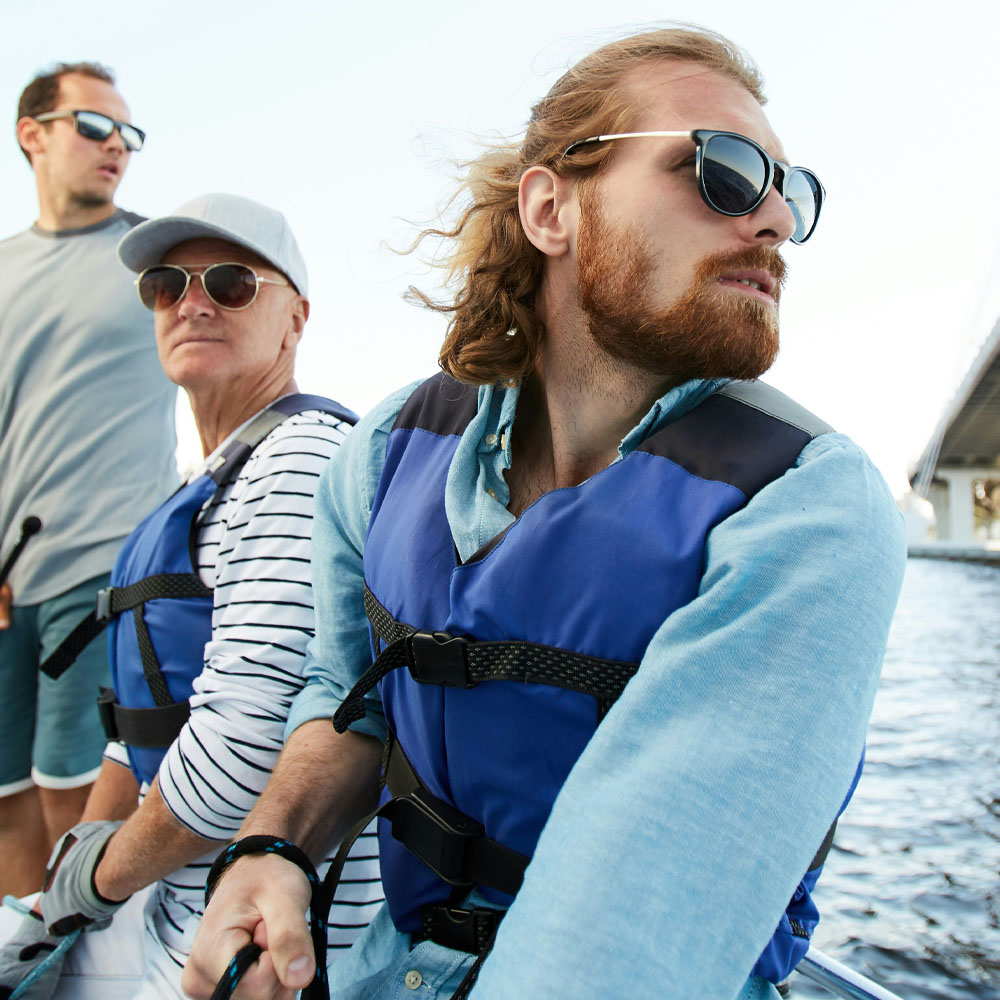
The first thing to remember is that, although the yacht is yours for the duration of the charter, it belongs to someone else and should be treated with the respect you’d show any private home. The crew will begin the trip with a safety briefing, and while it may seem routine, it’s essential. Yachts are powerful vehicles, and even the calmest waters pose potential risks. The captain and crew are there to keep everyone safe, so paying attention to their instructions is critical. Asking questions if anything is unclear shows that you care about safety and helps establish good communication between you and the crew.
On board, you’ll find that different areas of the yacht serve different purposes. Respecting those boundaries will help maintain a pleasant environment. The galley, for example, is where the chefs prepare your meals, and it’s best to leave them to it unless you’ve been invited in. Generally, the crew areas are similarly off-limits. By giving the crew their space when needed, you ensure that they can continue delivering top-notch service throughout your trip.
When it comes to what to wear, yacht life is usually more casual than you might expect. While there may be occasions for formal wear, the general onboard vibe is relaxed. Many yachts follow a "barefoot rule" to protect the delicate teak decking. Shoes like high heels or ones with black soles can cause damage or leave marks. The crew will usually provide a place for your shoes as you board. Otherwise, it's common to sport bare feet or wear soft-soled shoes. Packing soft luggage is also recommended. Hard suitcases can be difficult to stow and might cause damage to the yacht's interior, so opting for a flexible, soft bag will make things easier for everyone.
How to be Respectful Onboard the Yacht
Once onboard the yacht, it's important to be mindful of the onboard schedule. While you may be eager to relax and enjoy yourself, respecting the captain’s planned itinerary is important for keeping things running smoothly. The captain knows the best times to arrive at different locations, when to leave ports, and how to optimize your time at sea based on weather conditions and local regulations. By adhering to the schedule, you’ll help ensure that the trip proceeds without unnecessary stress or delays.
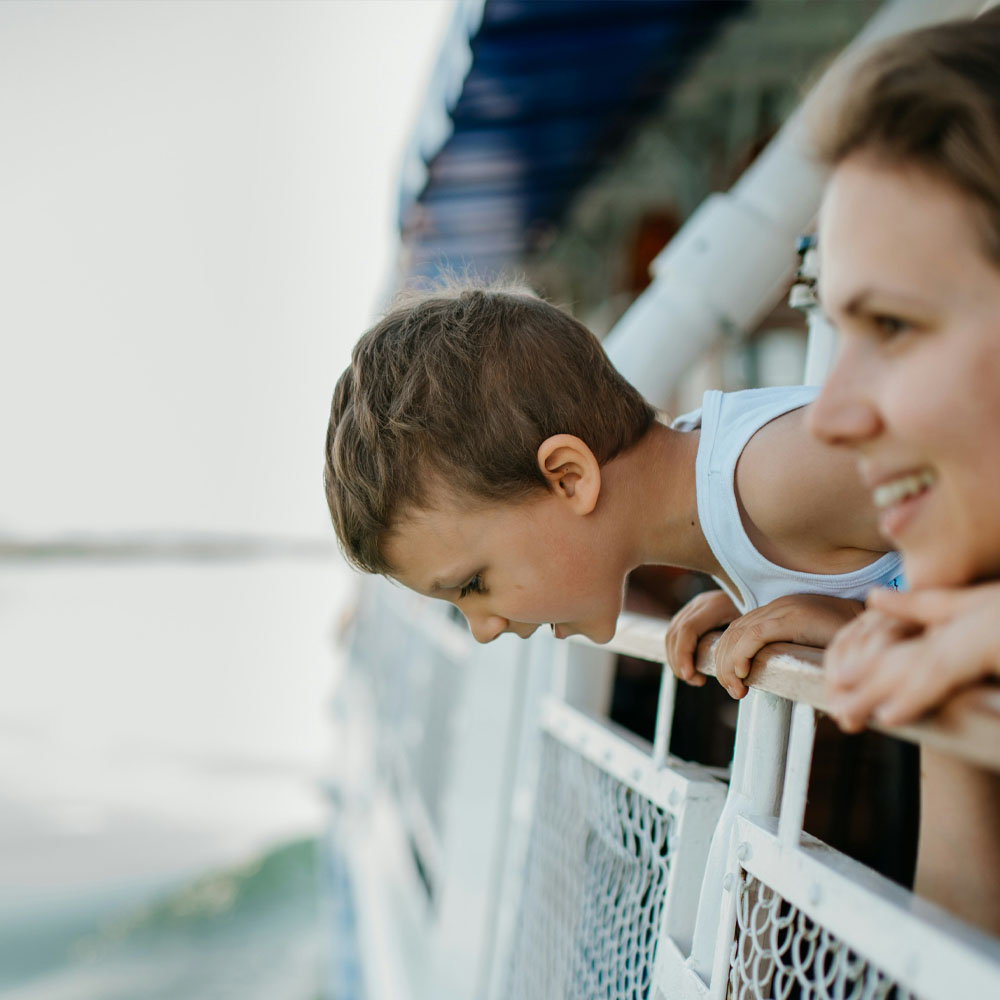
Moreover, if you’re traveling with children, know that most crews are happy to have them on board and will do their best to make sure they have a great time. However, it’s important to remember that crew members are not babysitters. They have multiple responsibilities to attend to, and if you need dedicated child care, it’s best to arrange for a nanny to be part of your party. Your charter broker can help confirm whether there is accommodation for a nanny on board if needed.
As for gratuities, according to the Worldwide Yachting Association, it’s customary to tip the crew at the end of the charter. The amount a party tips is usually around 5-15% of the charter fee, depending on their experience. The tip is given to the captain, who will then distribute it among the crew. While tipping is optional, it's a way to show appreciation for the crew's hard work and dedication during your stay.
Lastly, and perhaps most importantly, the golden rule of any yacht charter is to relax and enjoy the experience. A happy and relaxed guest makes for a happy and efficient crew. By being mindful of the simple etiquette on board, you’ll ensure a great overall experience!
Contact us Today About a Yacht Charter Rental!

Whether you're adventuring to the North or exploring tropical islands, having great etiquette is essential in your yacht charter experience. By respecting the rules of the vessel, you can create a memorable experience that isn’t disrupted by conflict or minor issues onboard. Start planning your yacht adventure today and set sail on a journey through the open seas.